

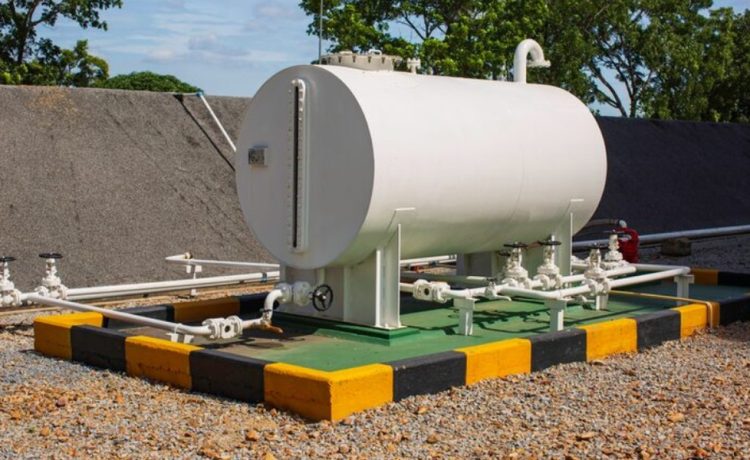
Fuel management is one of the most important aspects of running an industrial or commercial facility. Poor fuel efficiency can lead to higher costs, frequent downtime, and environmental concerns. One effective solution to improve fuel efficiency is using a day tank. A day tank is a smaller, on-site storage tank that holds fuel for immediate use, supplying it to generators, boilers, or other equipment as needed. Implementing a day tank can make a significant difference in how efficiently your facility uses fuel.
Understanding the Role of a Day Tank
A day tank acts as an intermediary between your main fuel storage and your machinery. Instead of drawing fuel directly from a large bulk storage tank, equipment receives fuel from the day tank, which is regularly replenished. This setup ensures that fuel delivery is consistent and equipment operates at optimal efficiency. A day tank also helps reduce the energy and cost associated with frequent long-distance pumping from a central storage area.
Reducing Fuel Waste
One of the main ways a day tank improves fuel efficiency is by minimizing fuel waste. Bulk storage tanks often hold large quantities of fuel, and drawing fuel directly from them can lead to excess usage or spillage. With a day tank, fuel is stored closer to the point of use, which reduces the risk of overfilling or accidental leaks. Additionally, fuel in a day tank is used more quickly, which prevents it from sitting in storage for long periods and losing quality. Higher quality fuel burns more efficiently, ultimately improving overall energy performance.
Enhancing Equipment Performance
Consistent and reliable fuel delivery is crucial for the performance of generators, boilers, and other machinery. A day tank ensures that equipment receives a steady fuel supply at the correct pressure and volume. This reduces the risk of irregular combustion or engine strain, which can occur when fuel supply is inconsistent. Well-maintained combustion directly translates to better fuel efficiency, lower maintenance costs, and longer equipment life.
Streamlining Fuel Monitoring
A day tank also makes it easier to monitor fuel usage and identify inefficiencies. Facilities can track daily fuel consumption more accurately when fuel passes through a smaller, controlled tank. This data can reveal patterns, such as peak usage periods or equipment that consumes more fuel than expected. By identifying these trends, facility managers can take action to optimize operations, adjust schedules, and implement energy-saving practices, all of which contribute to better fuel efficiency.
Supporting Environmental Goals
Fuel efficiency is not only a financial concern but also an environmental one. Using a day tank helps reduce carbon emissions and pollution by ensuring fuel is burned cleanly and completely. Minimizing waste, leaks, and fuel degradation also decreases the environmental impact of storage and transportation. For facilities aiming to meet sustainability targets, a day tank is an effective tool for reducing fuel-related emissions and promoting responsible energy use.
Facilitating Emergency Preparedness
In addition to improving efficiency, day tanks support operational resilience. During power outages or equipment maintenance, having a readily available supply of fuel ensures that critical systems continue to operate without interruption. Reliable fuel delivery reduces the need for emergency fuel transport, which can be costly and less efficient. This not only maintains productivity but also enhances safety and reliability within the facility.
Conclusion
A day tank is a practical solution for facilities looking to improve fuel efficiency while supporting reliable operations. By reducing waste, ensuring consistent fuel supply, simplifying monitoring, and promoting environmentally responsible practices, a day tank provides both operational and financial benefits. Investing in a day tank helps facilities optimize their fuel use, protect equipment, and achieve energy efficiency goals, making it a valuable component of modern industrial and commercial energy management.