
In today’s fast-paced business environment, data drives decision-making, operations, and customer engagement. A modern business relies heavily on technology for communication, transaction processing, analytics, and digital services.
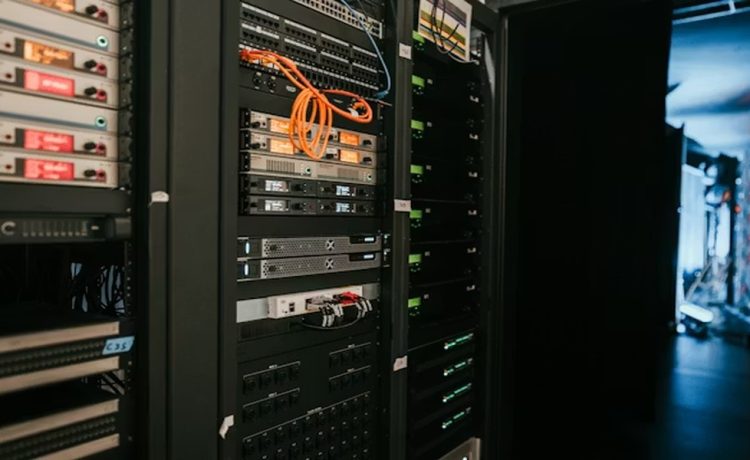
Data centers provide the infrastructure needed to store, manage, and protect critical information while supporting applications that keep organizations competitive. Understanding their importance clarifies why investing in professional data center services is essential for sustainable growth and operational resilience.
Ensuring Operational Continuity
Downtime can disrupt productivity, revenue streams, and customer trust. Data centers provide reliable power systems, redundant networks, and environmental controls to keep applications and data available 24/7.
High uptime standards and proactive monitoring reduce the risk of outages. For businesses operating globally or offering digital services, continuous availability is crucial to maintaining service quality and client confidence.
Supporting Scalability and Business Growth
Modern companies experience fluctuating demands, from seasonal traffic surges to rapid expansion. Data centers offer scalable infrastructure, including additional server space, bandwidth, and cloud integration, allowing businesses to grow without costly overhauls or relocations.
Scalable facilities accommodate evolving IT requirements and enable quick deployment of new services, ensuring the business can expand efficiently and effectively.
Enhancing Data Security and Compliance
Protecting sensitive information is critical for business credibility and regulatory compliance. Data centers implement robust physical and digital security measures, such as biometric access controls, surveillance, firewalls, and encryption.
They also support compliance with industry standards, including ISO certifications, PCI DSS, HIPAA, and GDPR. Secure data management minimizes the risk of breaches, legal penalties, and reputational damage.
Optimizing IT Performance and Efficiency
Data centers provide optimized network infrastructure, high-speed connectivity, and efficient cooling systems that improve performance and reduce operational costs.
Centralized IT management ensures consistent resource allocation and rapid deployment of updates or new technologies. Efficient infrastructure enhances processing speeds, minimizes latency, and allows staff to focus on strategic initiatives rather than system maintenance.
Enabling Disaster Recovery and Business Continuity
Unexpected events, such as cyberattacks, natural disasters, or hardware failures, can threaten business operations. Data centers offer structured disaster recovery solutions, including redundant storage, backup power, and geographically distributed failover systems. These measures ensure critical systems remain operational, supporting continuity even during severe disruptions.
Access to Expert Support
Data centers provide specialized technical expertise, including system monitoring, maintenance, and rapid incident response. Outsourcing these services allows businesses to leverage expert knowledge without overextending internal teams. Access to trained professionals ensures that infrastructure remains secure, updated, and optimized, reducing operational risks and downtime.
Cost-Effective IT Management
Managing in-house IT infrastructure can be expensive and complex. Data center services reduce capital expenditures on hardware, staffing, and facilities while providing predictable operational costs. Companies can allocate resources to core business functions, innovation, and growth rather than day-to-day IT maintenance.
Facilitating Global Connectivity
Data centers enhance network connectivity and cloud integration, supporting remote work, international operations, and online services. Reliable connectivity enables seamless communication, collaboration, and customer interaction, essential for modern digital business models.
A data center is vital for modern businesses because it ensures operational continuity, supports scalability, enhances security and compliance, optimizes performance, provides disaster recovery, and offers expert IT support. By integrating professional data center services, companies can remain competitive, responsive, and resilient in a rapidly evolving digital landscape.