
The rapid expansion of the ecommerce sector has made efficient logistics a critical success factor for online businesses. With global online sales reaching trillions of dollars and continuing to rise, brands must rely on fast, accurate, and scalable fulfillment operations to stay competitive.
In this environment, successfully moving products from warehouses to customers—both domestically and internationally—requires streamlined, technology-driven processes that support speed, accuracy, and reliability.
Welcome to the complex but essential world of ecommerce fulfillment.
What Is Ecommerce Fulfillment?
Ecommerce fulfillment, often called eFulfillment, refers to the complete process of delivering an online order to a customer after a purchase is made. This includes receiving inventory, storing products, processing orders, picking and packing items, and shipping them to the customer’s address. How effectively this process is managed has a direct impact on customer satisfaction, brand reputation, and overall profitability.
Why Outsourcing Ecommerce Fulfillment Often Leads to Better Results
Although some companies—particularly large retailers—manage fulfillment internally, many businesses choose to outsource these operations to specialized fulfillment providers. By doing so, they gain access to established infrastructure, advanced technology, logistics expertise, and carrier networks without the burden of managing everything in-house.
Who benefits most from outsourcing? It is especially well-suited for businesses expanding into new sales channels, geographic regions, or international markets. It also appeals to brands without their own warehouse facilities, as well as those that want to focus on marketing, sales, and growth while allowing logistics to scale efficiently alongside demand.
Outsourced fulfillment has become increasingly popular, with the global ecommerce fulfillment services market valued at well over one hundred billion dollars and projected to grow steadily in the coming years.
The Ecommerce Order Fulfillment Process
Ecommerce fulfillment consists of several interconnected stages, all designed to deliver a smooth and reliable customer experience. Below is an overview of the core steps involved.
Receiving
The process begins when products arrive at the fulfillment warehouse in bulk shipments. Items are inspected, recorded in the warehouse management system, and added to inventory as quickly as possible to ensure availability and avoid lost sales opportunities.
Warehousing
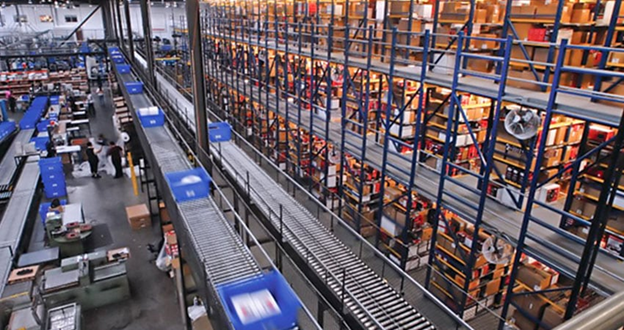
Unlike traditional long-term storage, ecommerce warehousing is fast-paced and constantly evolving. Inventory is organized in a way that allows products to move in and out efficiently, supporting rapid order processing and high shipping volumes.
Picking and Packing
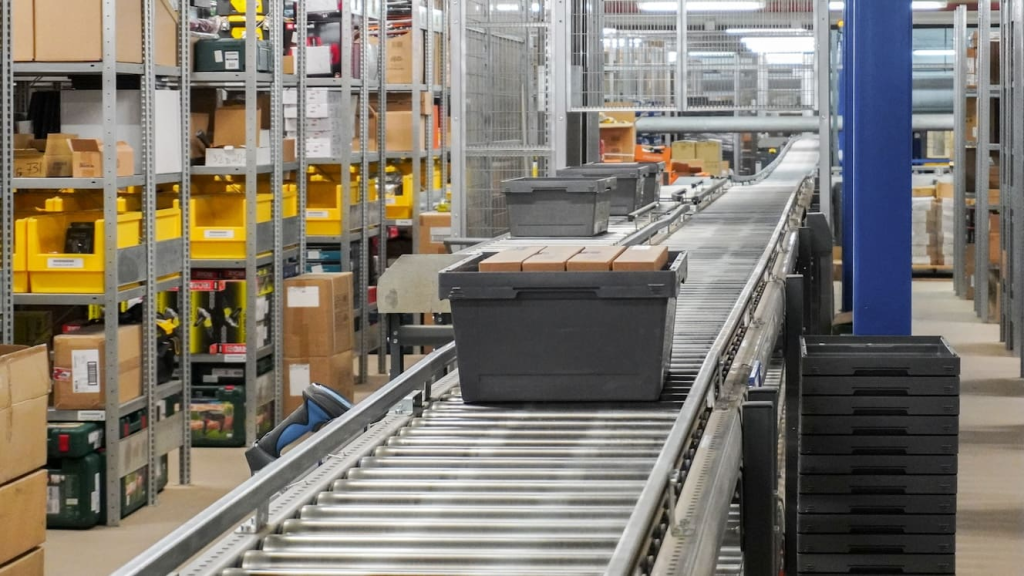
Once an order is placed, the system generates a picking list. Warehouse staff retrieve the correct items and deliver them to packing stations, where they are placed into appropriately sized packaging. Protective materials are added as needed, packages are sealed, and shipping labels are applied.
Kitting and Assembly
For bundled products, subscription boxes, or promotional sets, kitting combines multiple individual items into a single package. This approach speeds up order processing and supports same-day fulfillment. Assembly services may also include branded packaging, inserts, or customized presentation to enhance the customer experience.
Shipping
After packing, orders are transferred to shipping carriers for delivery. Using fulfillment centers located near key customer regions can significantly reduce shipping costs and transit times, leading to faster and more reliable deliveries.
Returns Management (Reverse Logistics)
Returns are a standard part of online retail. An effective returns process starts with a clear and accessible return policy. Once items are returned, they are inspected, processed, and either restocked or handled according to predefined procedures. Efficient reverse logistics helps recover value while maintaining customer satisfaction.
Need Support With Ecommerce Fulfillment?
Gaining clarity and direction from experienced professionals can help businesses optimize their fulfillment strategy and overcome logistical challenges with confidence.
Ecommerce Shipping Options
When selecting ecommerce shipping options, businesses must weigh factors such as delivery distance, product size and weight, fragility, value, and customer expectations for speed. While customers may only see a few delivery choices at checkout, each option reflects a complex set of operational decisions.
Below are the most common ecommerce shipping methods.
Free Shipping
Free shipping is a strong motivator for online shoppers and can significantly boost conversion rates. It is often offered for orders over a minimum value, during promotional periods, or as a standard service, with shipping costs absorbed into product pricing or margins.
Standard Shipping
Standard shipping is typically the most economical option, though delivery times may be longer—often exceeding three days. However, many retailers now offer faster delivery times as their standard service, even for nationwide shipments.
Expedited Shipping
This option provides faster delivery than standard shipping, commonly within two to three days. It is especially popular for international orders or time-sensitive purchases.
Same-Day Delivery
Same-day delivery is becoming increasingly common as customer expectations rise. Achieving this requires highly efficient fulfillment operations, real-time inventory visibility, and precise order processing.
International Ecommerce Shipping
Selling to global customers introduces additional complexities beyond distance alone. International fulfillment must account for customs regulations, duties, taxes, and varying compliance requirements across countries.
To reduce costs and delivery times, inventory is often stored within the destination country. This approach can eliminate import duties and speed up local delivery. When shipping from abroad, common options include Delivered Duty Unpaid (DDU) and Delivered Duty Paid (DDP), allowing customers to choose how duties and taxes are handled at checkout.
Why Outsourcing Ecommerce Fulfillment Strengthens Your Business
In ecommerce, efficient fulfillment can be a powerful competitive advantage. Outsourcing order fulfillment enables brands to improve delivery speed, reduce operational complexity, and enhance the overall customer experience.
By leveraging a distributed network of fulfillment centers, businesses can process orders quickly and reach customers faster, often within just a few days. In addition, value-added services such as customized packaging and personalized inserts can transform each shipment into a meaningful brand interaction, strengthening customer loyalty and long-term growth.