
Finding the right supplier for your knitting or crochet needs is about more than just convenience. For many crafters, the quality of the materials determines the longevity and appearance of the finished garment.
Selecting a dedicated yarn store ensures that you have access to specialized fibers and expert advice that big-box retailers often lack. Whether you are a beginner or a seasoned professional, evaluating a shop based on specific criteria will help you build a reliable creative partnership.
1. Variety and Quality of Fiber Selection
The most important factor is the breadth of the inventory available. A high-quality shop should offer a range of fibers, including animal wool, plant-based cotton, and luxury blends like silk or alpaca.
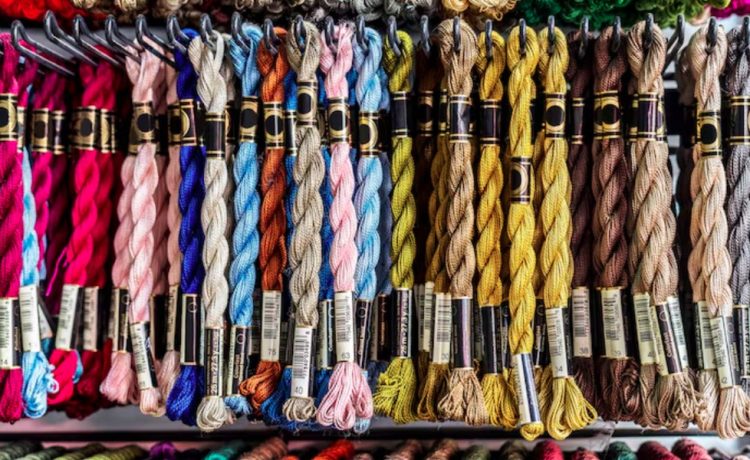
When you walk into a yarn store, you should be able to find different weights, from delicate lace to chunky roving. Having access to various textures and colors allows you to match the material perfectly to your pattern, ensuring that the drape and feel of the item meet your expectations.
2. Knowledgeable and Supportive Staff
A great retail experience is defined by the expertise of the people behind the counter. Staff members should be able to assist with pattern reading, suggest appropriate substitutions, and help calculate the required yardage.
When you purchase yarn from a specialized boutique, you are also investing in their technical support. Experienced employees can troubleshoot mistakes or offer advice on how a specific fiber will behave after washing, which is invaluable for complex projects.
3. Lighting and Tactile Accessibility
Because color accuracy is vital in textile arts, the physical environment of the shop matters. Excellent stores prioritize natural lighting so that customers can see the true hues of the skeins. Furthermore, the shop should encourage you to touch the samples.
Feeling the yarn helps you determine if a fiber is too scratchy for a baby garment or if it has the necessary elasticity for a pair of socks. Avoid shops where materials are kept in sealed plastic or out of reach.
4. Community Engagement and Workshops
Many crafters look for a sense of belonging within their hobby. A superior shop often serves as a community hub, offering classes for different skill levels and hosting social stitching circles. Check if the yarn store provides space for enthusiasts to gather and share their progress.
These interactions foster inspiration and provide a network of support that can help you overcome technical hurdles in your crafting journey.
5. Availability of Tools and Accessories
A comprehensive shop should be a one-stop destination for all your needs. This includes a wide selection of needles, hooks, stitch markers, and measuring tapes. Having high-quality notions available alongside your primary materials ensures that you can start your project immediately.
Additionally, look for shops that carry specialized care products, such as wool washes, which are essential for maintaining the integrity of your handmade items over time.
6. Fair Pricing and Clear Return Policies
While luxury fibers come at a premium, the pricing should be fair and transparent. Compare the costs of staple items across different retailers to ensure you are receiving a good value. Furthermore, understand the return policy regarding dye lots.
A professional shop will often allow you to return unused, unwound skeins if you purchased too much. This flexibility provides peace of mind when you are unsure about the exact amount of material required for a large-scale design.