

Shorelines change with every passing season. Waves reshape exposed ground through steady movement. Small losses soon become larger concerns. Property owners often notice damage too late. Early planning saves both land and repair costs. Practical coastal engineering limits future risk through dependable marine construction services before visible deterioration spreads further.
Coastal Changes Need Timely Attention
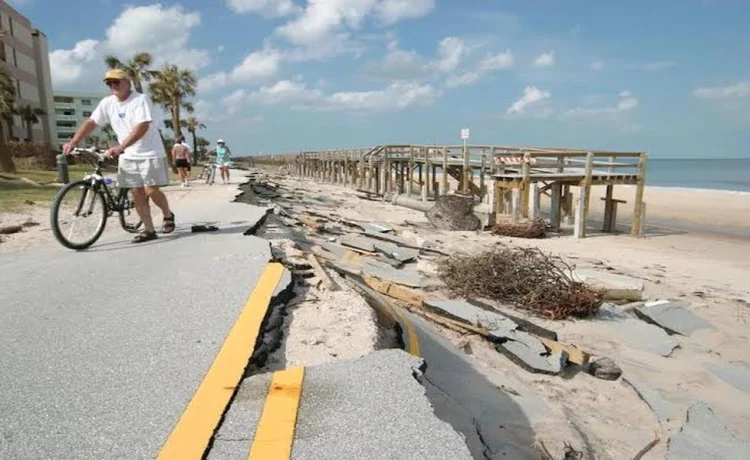
Erosion rarely begins with dramatic collapse. It starts through slow soil movement. Water gradually carries loose material away. Strong tides increase pressure during rough weather. A small waterfront road may sink first. Nearby foundations often remain stable until hidden ground disappears. Delayed action creates wider repair work and higher expenses later.
Early signs deserve careful attention.
- Uneven ground beside retaining edges
- Exposed roots near waterfront areas
- Cracks appearing across paved surfaces
- Soil collecting below embankments
Each warning points toward changing site conditions requiring practical evaluation.
Which Protection Method Fits Local Conditions?
Every shoreline behaves differently because surrounding conditions vary. Ground composition influences long-term stability. Water depth shapes engineering decisions. Nearby buildings affect construction choices. Environmental goals guide material selection. Experienced specialists providing marine construction services examine every location before recommending suitable protective systems matching local conditions and future requirements.
Several proven options include:
- Rock revetments reduce direct wave pressure.
- Seawalls defend valuable waterfront property.
- Sheet piles strengthen unstable ground.
- Breakwaters create calmer navigation areas.
- Living shorelines blend engineered elements with vegetation.
Careful selection delivers stronger long-term performance than quick installation alone.
Smart Design Protects More Than Land
Effective coastal structures provide wider benefits beyond erosion control. Stable access routes improve daily operations. Marina owners experience easier vessel movement after shoreline stabilization. Industrial facilities protect loading areas through stronger ground retention. Resort properties preserve attractive waterfront spaces for visitors. Sound engineering strengthens valuable investments across changing coastal environments.
Those improvements often include:
- Lower repair costs
- Better public safety
- Reliable site access during storms
- Longer infrastructure lifespan
Each benefit grows through thoughtful planning instead of emergency reconstruction.
Lasting Results Depend Upon Careful Planning
Construction begins after complete site assessment. Engineers review soil strength before choosing suitable materials. Tide patterns influence foundation depth. Local wave movement shapes structural placement. However, quality installation remains equally important. Strong designs lose value without precise construction practices. Ongoing inspections extend service life while identifying small concerns before costly failures develop.
Strong Shorelines Secure Future Coastal Investment
Well-planned protection creates lasting confidence for waterfront owners. A reinforced revetment or carefully designed seawall preserves valuable access and stable foundations. Those practical decisions reduce future disruption while strengthening daily operations. Real value appears when protected coastlines continue serving homes, businesses, ports, and recreational facilities through changing weather instead of requiring repeated emergency repairs.
FAQs
What starts shoreline erosion?
Wave action, tides, and moving sediment slowly remove exposed ground over time.
Does every property require identical protection?
No. Soil conditions, water movement, and surrounding infrastructure influence every engineering decision.
Can early intervention reduce future costs?
Yes. Addressing minor shoreline movement often prevents extensive structural repairs later.